Initial Root Canal Therapy
Best for: Infected or inflamed tooth pulp
Removes affected pulp tissue, cleans and disinfects the root canals, and seals them with a suitable filling material to help preserve the natural tooth.

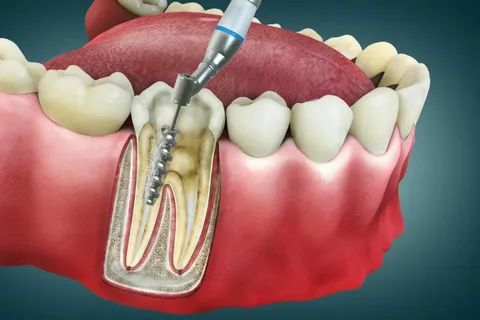
Root canal treatment helps save a severely decayed or infected tooth by removing the affected pulp, carefully cleaning and disinfecting the root canals, and sealing the tooth. At Radha Dental Care, treatment is planned according to your dental condition to help restore comfort and function.
Explore root canal treatments designed to address infected or damaged tooth pulp, manage recurring infections, and help preserve your natural teeth. Your dentist will recommend an appropriate treatment based on your dental condition.
Best for: Infected or inflamed tooth pulp
Removes affected pulp tissue, cleans and disinfects the root canals, and seals them with a suitable filling material to help preserve the natural tooth.
Best for: Suitable cases where treatment can be completed in one visit
In selected cases, cleaning, shaping, and sealing can be completed during one appointment. Suitability depends on the tooth's condition and infection.
Best for: Previously treated teeth with recurring problems
The existing root canal filling may be removed so the canals can be cleaned, disinfected, and sealed again when a previous treatment has not healed properly or a new infection develops.
Best for: Teeth with significant structural damage
When a treated tooth has lost substantial structure, a post may help support a core buildup. This can provide a foundation for a protective crown when clinically appropriate.
Thoughtful treatment planning, modern dental techniques, and personalised care to help preserve your natural tooth and restore oral comfort.
Local anaesthesia and gentle techniques help manage discomfort during treatment. We aim to make your root canal experience as comfortable as possible.
Root canal treatment can help retain a tooth that might otherwise require extraction, preserving natural tooth structure whenever possible.
Appropriate dental instruments and carefully planned procedures help the dentist clean and treat the root canals effectively.
Treatment recommendations and follow-up guidance are tailored to your tooth's condition to support healing and protect the restored tooth.
From diagnosis to restoration, each step is planned around your tooth's condition, comfort, and long-term dental health.
We examine the affected tooth and use dental X-rays when needed to assess the roots, canal structure, and extent of the problem.
Local anaesthesia is used to numb the treatment area. We monitor your comfort throughout the procedure and address any discomfort.
A small opening is made in the tooth to access the pulp. The affected tissue is removed, and the canals are cleaned, disinfected, and shaped.
Once cleaned, the canals are filled with a suitable material, commonly gutta-percha, and sealed to help prevent reinfection.
Depending on the remaining tooth structure, a filling or protective crown may be needed to restore function and help protect the tooth.
Find answers to common questions about root canal treatment, recovery, tooth preservation, and aftercare.
Understanding your treatment can help you feel more prepared. Explore common questions about the procedure and caring for your treated tooth.
Still have questions?
Contact Our Team ↗Local anaesthesia is used to numb the treatment area, helping manage discomfort during the procedure. You may feel pressure or vibration, and some soreness or tenderness can occur afterwards. Root canal treatment aims to address the problem causing your tooth pain.
When a tooth can be predictably restored, saving it with root canal treatment may help preserve your natural bite and tooth structure. Extraction may be necessary for some teeth. Replacing a missing tooth with an implant, bridge, or other option may involve additional treatment and cost. Your dentist can explain which options are appropriate for your condition.
Many root canal treatments are completed in one or two visits. An appointment may take around 45–90 minutes, although timing varies depending on the tooth, the number of canals, and the complexity of the infection. Some cases require additional visits or specialist treatment.
Mild soreness or tenderness may occur for a few days after treatment. Follow your dentist's instructions about pain relief, eating, and caring for the tooth. Depending on the remaining tooth structure, a permanent filling or crown may be recommended to restore and protect it.
Contact your dentist if pain worsens, swelling develops, or your symptoms do not improve as expected.
A root canal-treated tooth can last for many years and sometimes a lifetime, but its lifespan is not guaranteed. Results depend on the tooth's condition, the quality of its restoration, oral hygiene, and regular dental care.
Brush twice daily, clean between your teeth, attend regular checkups, and follow your dentist's advice about protecting the treated tooth.
