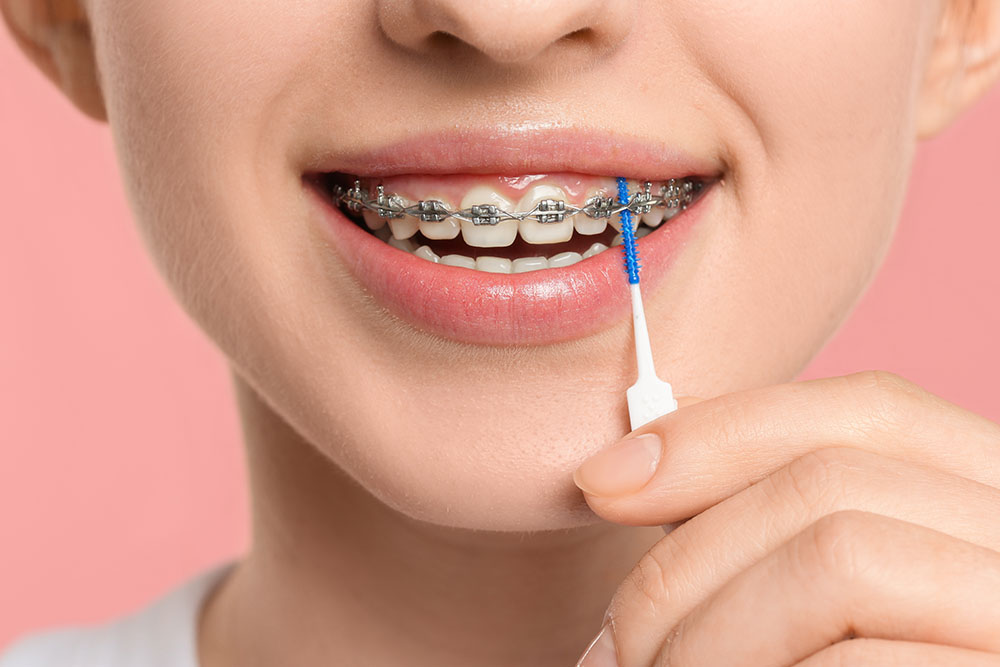
Oral Hygiene

Daily tooth brushing and oral hygiene care
A Healthy Smile Starts Here Professional preventive dental care
Oral Hygiene & Preventive Care

Maintain a Healthy, Confident Smile

What Is Oral Hygiene?

Oral hygiene means keeping your teeth, gums, and mouth clean and healthy. Daily brushing and flossing are essential, while professional scaling, polishing, and dental examinations help remove plaque and tartar that regular brushing may miss. Routine preventive care helps reduce the risk of tooth decay and gum disease.

When Do You Need Professional Care?

Schedule a dental hygiene visit if you notice any of these signs or if it is time for your routine dental checkup.

✓ Routine Dental Checkups
✓ Bleeding or Swollen Gums
✓ Persistent Bad Breath
✓ Tartar Buildup or Surface Stains
✓ Tooth Sensitivity
✓ Professional Cleaning & Polishing

Types of Oral Hygiene Treatments We Offer

Keep your teeth and gums healthy with professional preventive dental care. Our oral hygiene treatments help remove plaque and tartar, support gum health, and build better daily brushing and flossing habits.

Professional Scaling & Polishing

Best for: Tartar buildup and surface stains

Professional cleaning removes hardened tartar and plaque from tooth surfaces and around the gumline. Polishing helps smooth tooth surfaces and remove certain external stains.

Deep Cleaning

Best for: Gum disease and deeper deposits

Scaling and root planing cleans plaque and tartar beneath the gumline and smooths root surfaces. A dentist may recommend this treatment when gum disease requires more than a routine cleaning.

Fluoride Varnish Treatment

Best for: Cavity prevention and weakened enamel

A professionally applied fluoride varnish helps strengthen tooth enamel and supports the prevention of tooth decay. Your dentist can advise whether it is suitable for your age and dental needs.

Personalised Hygiene Counseling

Best for: Better daily oral care habits

Get practical guidance on brushing, flossing, cleaning between teeth, and other habits that affect oral health. Your dentist can tailor recommendations to your needs and help you maintain a consistent routine.

Why Choose Us

Why Choose Us for Oral Hygiene & Preventive Care?

Personalised preventive dental care focused on your comfort, healthy habits, and long-term oral health.

01

Gentle & Comfortable Cleaning

Modern ultrasonic instruments help remove plaque and hardened tartar. We aim to make your cleaning experience as comfortable as possible while using techniques appropriate for your dental needs.

02

Care Tailored to Your Needs

We consider your medical history and individual circumstances when planning preventive care, including for seniors, pregnant patients, and people managing conditions such as diabetes or high blood pressure.

03

A Prevention-First Approach

Routine examinations and professional cleaning can help identify potential problems early and support healthier teeth and gums. We explain appropriate preventive options based on your oral health.

04

Practical Oral Care Guidance

Receive personalised advice on brushing, flossing, and daily oral hygiene. We also offer supportive guidance on reducing tobacco use and other habits that may affect your oral health.

YOUR SMILE, OUR PRIORITY

What to Expect During Your Professional Cleaning

From your initial dental assessment to personalised home care advice, each step is designed to support healthy teeth and gums and help you maintain your smile.

01
STEP ONE

Visual Exam & Assessment

We assess your teeth, gums, and existing dental restorations to identify plaque, tartar, and possible signs of gum inflammation.

01 Assess oral health
02
STEP TWO

Gentle Ultrasonic Scaling

Specialised ultrasonic instruments help remove hardened tartar and plaque from tooth surfaces and around the gumline.

02 Remove tartar
03
STEP THREE

Fine Polishing

We polish your teeth with a suitable dental polishing paste to help remove surface stains and leave your teeth feeling smooth and clean.

03 Polish tooth surfaces
04
STEP FOUR

Protective Fluoride Application

When appropriate, fluoride may be applied to strengthen enamel and help protect teeth against decay.

04 Support enamel health
05
STEP FIVE

Home Care Guidance

We share brushing and flossing techniques tailored to your oral health needs to help you maintain a healthy smile between visits.

05 Maintain your smile
HAVE QUESTIONS?

Frequently Asked Questions

Find answers to common questions about professional dental cleaning, gum health, and preventive oral care.

?

Your Oral Health Questions, Answered

Understanding preventive dental care helps you make informed decisions about your teeth and gums. Explore answers to frequently asked questions.

✓ Personalised dental guidance
✓ Preventive care information
✓ Advice for healthier gums

Still have questions?

Contact Our Team ↗
01 How often should I get a professional dental cleaning?

Many healthy adults and children benefit from a dental checkup and cleaning about every six months. However, the right interval depends on your oral health, plaque and tartar buildup, and risk of gum disease. People with gum disease or certain medical conditions, including diabetes, may need more frequent visits as advised by their dentist.

02 Will dental scaling weaken or thin my teeth?

No. Professional scaling is designed to remove hardened plaque, known as tartar, from tooth surfaces and around the gumline. When performed correctly, it does not thin or weaken healthy enamel. You may notice temporary sensitivity after cleaning, particularly if tartar had covered areas near the gums.

03 Why do my gums bleed when I brush or floss?

Bleeding gums can be a sign of inflammation caused by plaque buildup, although other conditions may also contribute. Brush gently with a soft-bristled toothbrush and clean between your teeth daily. Arrange a dental assessment if bleeding persists, or sooner if you experience swelling, pain, or other concerning symptoms.

04 What is the difference between regular cleaning and deep cleaning?

Regular cleaning generally removes plaque and tartar from tooth surfaces above and around the gumline.

Deep cleaning, also called scaling and root planing, targets deposits below the gumline and smooths root surfaces. It may be recommended when periodontal disease has created deeper gum pockets. Your dentist can determine which treatment is appropriate.

05 How can I prevent bad breath at home?

Brush twice daily for two minutes with fluoride toothpaste, clean between your teeth once a day, and gently clean your tongue. Drink water regularly and keep up with routine dental visits. If bad breath continues despite good oral hygiene, consult your dentist to identify the underlying cause.