Single Tooth Implant
Best for: Replacing one missing tooth
A dental implant acts as an artificial tooth root and supports a custom-made crown. It can fill an individual gap while helping preserve the neighbouring natural teeth.

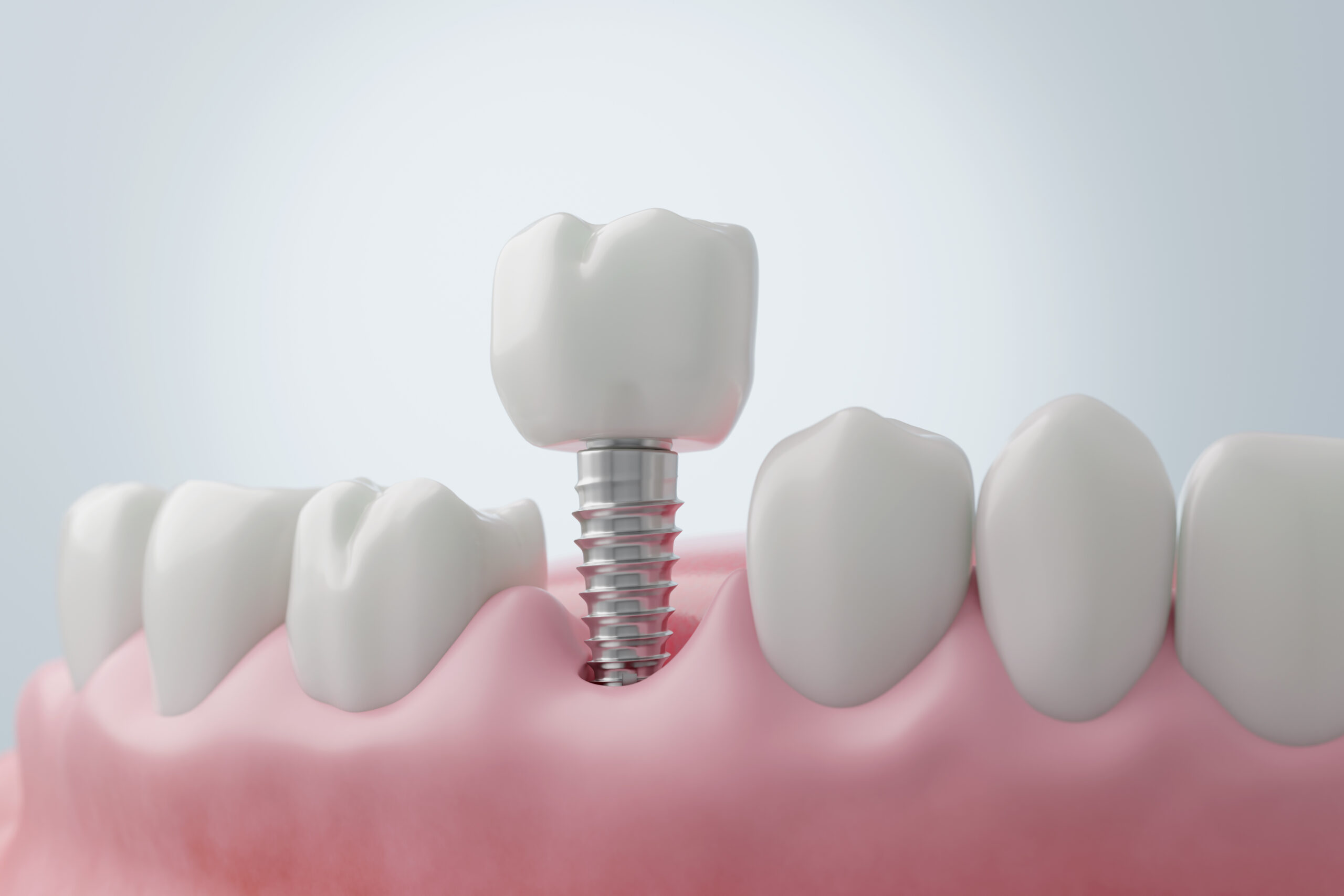
Dental implants are designed to replace missing tooth roots and support restorations such as crowns, bridges, or dentures. They can help restore chewing function and create a natural- looking smile. Your dentist will assess your oral health and jawbone to determine whether implants are suitable for you.
Discover dental implant solutions designed to replace missing teeth, restore chewing function, and help you enjoy a more confident smile. Our dentist will recommend a suitable option based on your oral health and individual needs.
Best for: Replacing one missing tooth
A dental implant acts as an artificial tooth root and supports a custom-made crown. It can fill an individual gap while helping preserve the neighbouring natural teeth.
Best for: Multiple missing teeth in a row
A custom dental bridge is supported by dental implants to replace several missing teeth. It can restore chewing function and provide a fixed alternative to a removable partial denture.
Best for: Replacing most or all teeth in an arch
Full-arch implant solutions, including All-on-4 when appropriate, support a complete set of replacement teeth using strategically placed implants. Suitability depends on bone condition and individual treatment requirements.
Best for: Patients needing greater denture stability
Removable dentures are secured using dental implants to improve stability and comfort while eating and speaking. They can offer better retention than conventional removable dentures.
Personalised implant care focused on restoring your smile, improving comfort, and supporting your long-term oral health.
Custom-designed implant restorations are planned to complement your smile and help restore chewing and speaking function.
Dental implants stimulate the jawbone where they are placed and can help reduce the bone loss associated with missing teeth.
Detailed examination and appropriate diagnostic imaging help assess bone condition, implant placement, and the restoration best suited to your needs.
We focus on your comfort, explain each stage of treatment, and provide guidance on healing, oral hygiene, and ongoing implant maintenance.
From your first consultation to your final restoration, every stage of your dental implant journey is planned around your oral health, comfort, and individual needs.
We examine your teeth, gums, and jawbone. Appropriate diagnostic imaging, including 3D scans when indicated, helps assess bone condition and plan implant placement.
The implant is placed into the jawbone using a carefully planned surgical procedure. Local anaesthesia is generally used to help manage discomfort during treatment.
During healing, the jawbone gradually bonds with the implant surface. This process can take several months, depending on your healing and treatment requirements.
Once the implant is ready for restoration, an abutment and a custom-made crown or other suitable replacement teeth are fitted according to your treatment plan.
We check the fit and function of your new teeth and explain how to care for your restoration with daily oral hygiene and regular dental check-ups.
Find answers to common questions about dental implants, treatment duration, recovery, and long-term care.
Understanding your treatment options can help you feel more confident about replacing missing teeth. Explore these common questions about dental implant treatment.
Still have questions?
Contact Our Team ↗Dental implant placement is generally performed under local anaesthesia to help minimise pain during the procedure. Some soreness, swelling, or discomfort may occur afterward and usually improves during recovery. Your dentist can recommend suitable pain relief and aftercare based on your needs.
Dental implants are designed to provide long-term tooth replacement. Their lifespan depends on oral hygiene, gum health, general health, and regular dental care. The implant itself and the visible crown have different maintenance and replacement needs, and crowns may eventually require repair or replacement.
Many adults who are missing one or more teeth may be suitable candidates. Your dentist will assess your gum health, jawbone condition, medical history, and oral hygiene before recommending treatment. If bone loss is present, bone grafting may be an option in selected cases.
Many dental implant treatments take around 3 to 6 months, although the timeline varies depending on healing, bone condition, and the treatment required. Some cases need additional procedures or a longer healing period.
Temporary replacement teeth may be possible during healing, depending on your clinical situation and treatment plan.
Brush twice daily with a soft-bristled toothbrush and clean carefully around your implant-supported teeth. Use floss or interdental cleaning tools recommended by your dentist, and attend regular check-ups and professional cleanings. Good ongoing care helps maintain gum health and the condition of your implant restoration.
